

Cooking has a specialized language and you’ll find that many of the terms are used exclusively in recipes. Have you ever wondering what it really means to macerate or deglaze? What is happening when something curdles? Here’s a little 101 on common cooking terms:
Sear
Searing is a technique for building flavour. It requires a pan set over high heat to quickly brown the surface of meat and caramelize it (use cast-iron or stainless steel for best results). To get a perfect sear, use a thin coating of neutral oil with a high smoke point (such as canola) in the pan and add the meat in batches for optimal flavour—and remember, only flip the meat once.
What about a reverse sear?
With a reverse-sear, you cook your steak over a low temperature first before giving it a final sear over high heat. It’s a great way to cook thicker cuts of steak and create a nice, salty crust.
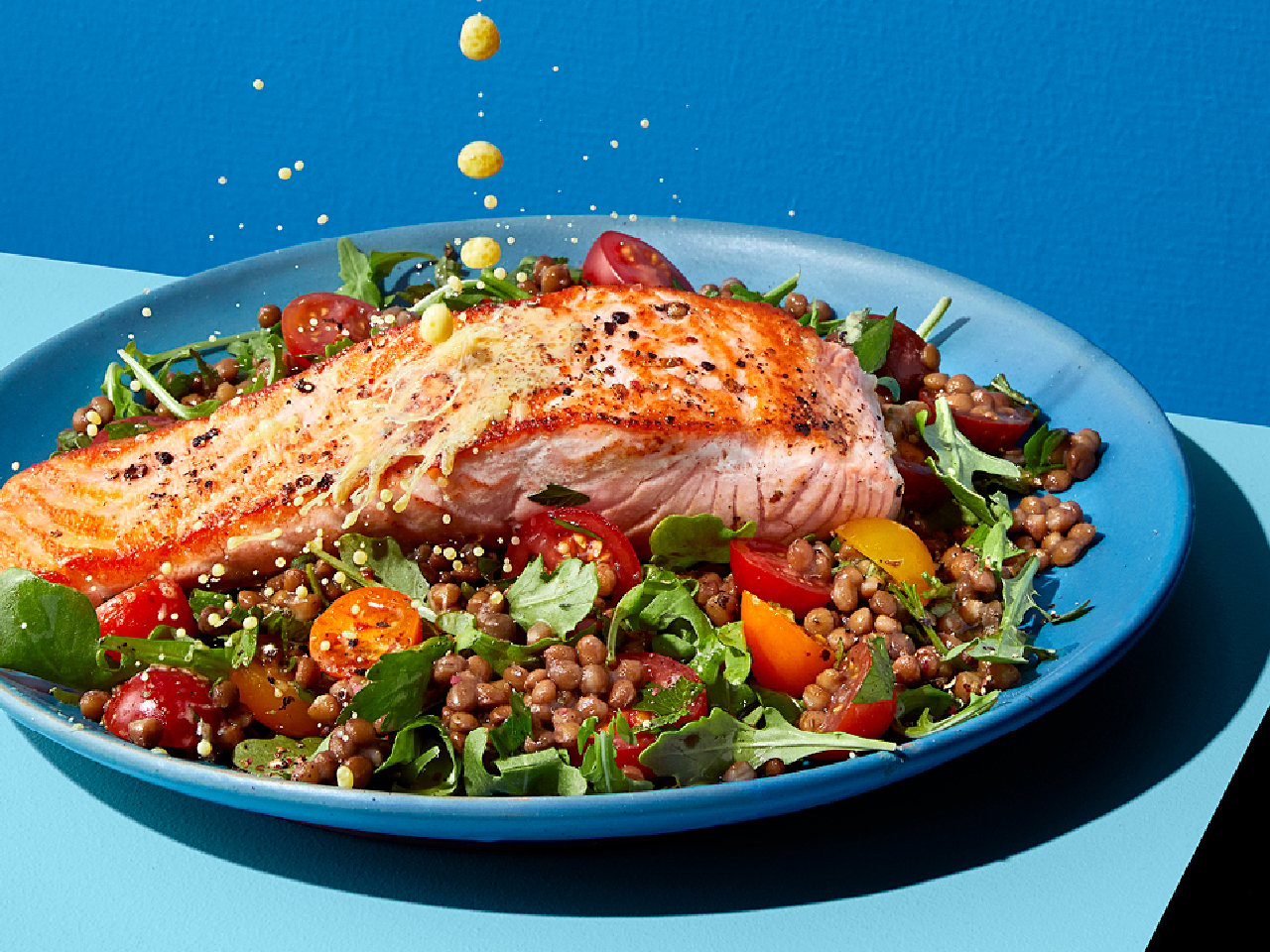
Seared Salmon with Lentil Salad (Recipes by Irene Ngo; Produced by Stephanie Han Kim, Sun Ngo and Aimee Nishitoba;
Photography by Erik Putz and Christie Vuong; Food styling by Ashley Denton; Prop styling by Madeleine Johari)
Try it: Seared Salmon with Lentil Salad
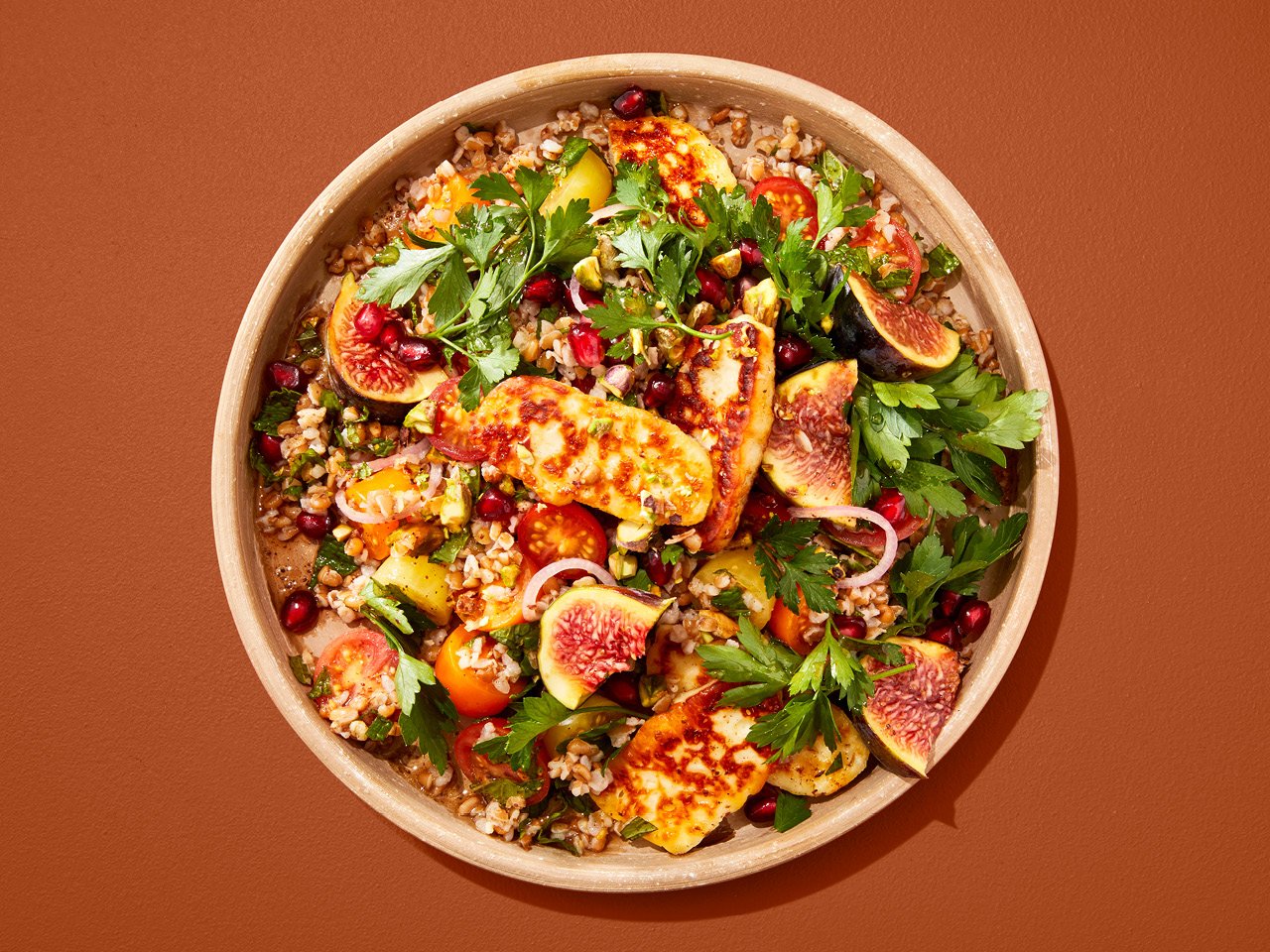
Seared Halloumi and Fig Tabbouleh
Seared Flank Steak with Chimichurri & Grilled Corn
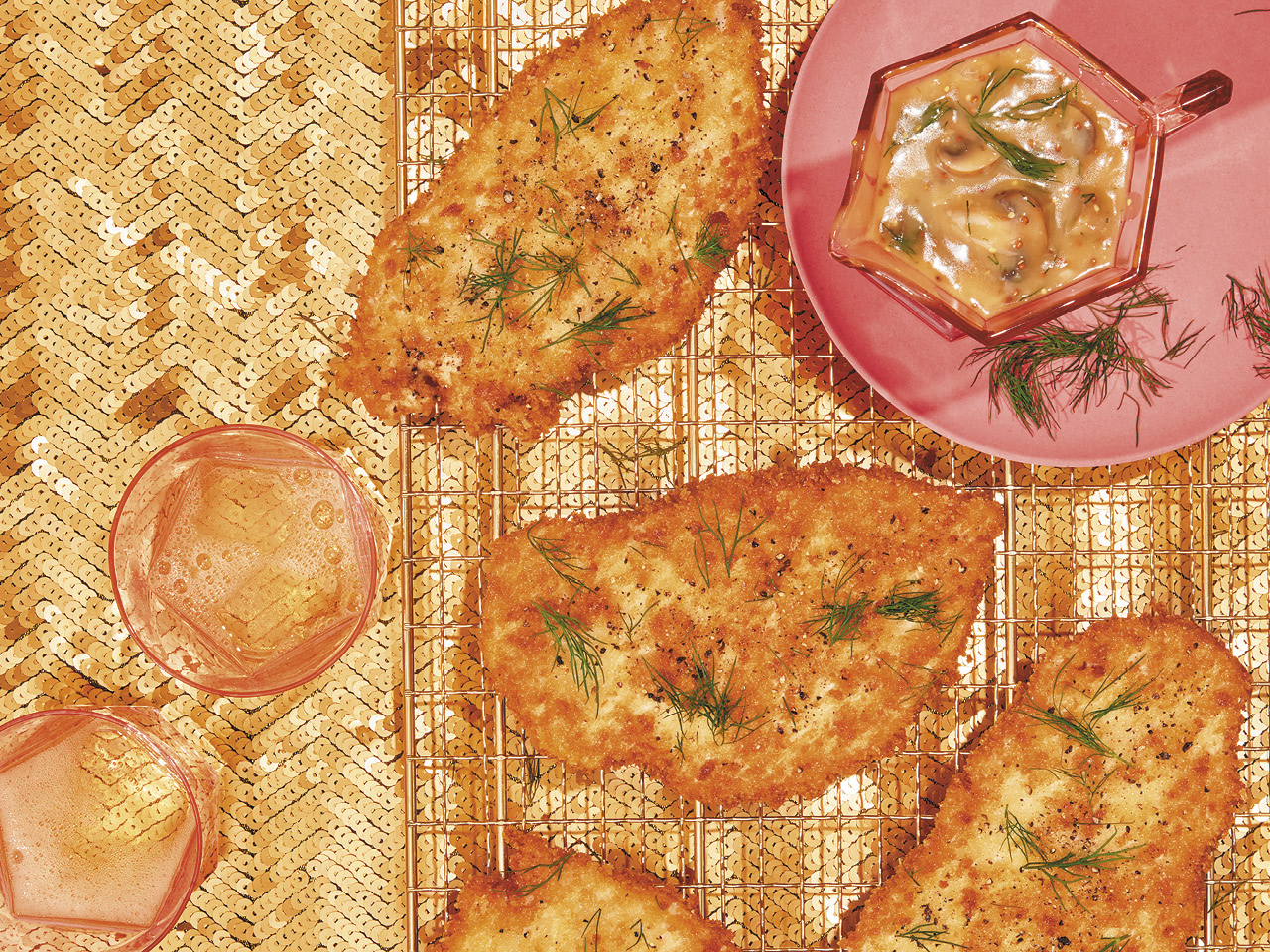
Pan-Fried Chicken Cutlets with Cava-Mushroom Gravy. Produced by Stephanie Han Kim; Photography by Christie Vuong; Food Styling by Ashley Denton; Prop Styling by Madeleine Johari.
Deglaze
Deglazing is a flavour-boosting technique that creates a sauce (known as a fond) by adding cold liquid (such as broth or wine) to a hot pan that has been removed from the heat. This allows the brown bits of flavour that are stuck to the bottom to loosen and season the sauce.
Try it: How To Make Gravy And Pan Sauce
Pan-Fried Chicken Cutlets with Cava-Mushroom Gravy
Braise
Braising uses two cooking methods, requiring both moist and dry heat. Typically you’ll find tough cuts of meats such as chuck, shank or brisket are prepared using this method, but you can also braise root vegetables and winter squash. First, the food is seared, and then it’s covered with a braising liquid (broth or wine) and cooked at a very low simmer until incredibly tender.
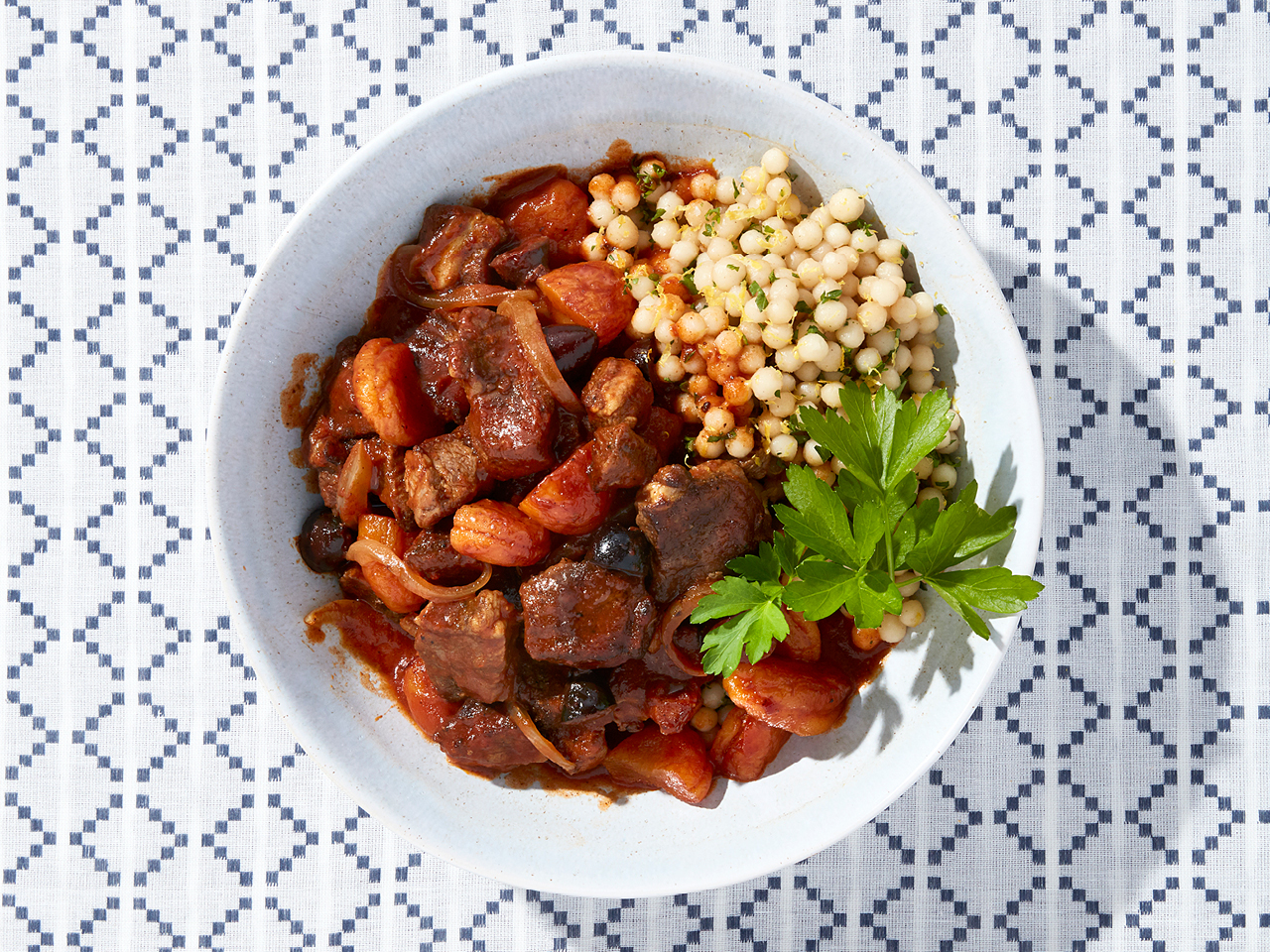
Braised Lamb And Apricots On Lemony Couscous(Photo: Erik Putz; Food styling by Ashley Denton; Prop styling by Madeleine Johari)
Try it: Braised Lamb And Apricots On Lemony Couscous
Braised Leeks and Stracciatella
Reduce
Reducing is the process of boiling and cooking down the liquid in a sauce or a soup reducing its original volume. As the liquid boils, it will evaporate creating an intensly flavoured, thick sauce.

Try it: Beer Clams
Hóng Shāo Ròu (Red Braised Pork)
Skim
When a recipe calls for “skimming the surface” it is referring to removing the layer of scum or fat from the surface of a liquid (typically found when making jam or stock). This can be done using a slotted spoon (for removing solids) or a regular spoon (for removing liquids).

Cajun Garlic Butter. Produced by Aimee Nishitoba; Photography by Carmen Cheung; Food Styling by Matthew Kimura; Prop Styling by Madeleine Johari; Illustrations by Emily Chu.
Try it: Slow Cooker Bone Broth
Cajun Garlic Butter
Blanch
Blanching is a technique typically used for cooking vegetables. Vegetables are submerged in a pot of boiling water and cooked for 1-5 minutes depending on the vegetable, for example, baby carrots take five minutes while asparagus will blanch for about three. The vegetables are immediately transferred to a bowl of ice water to stop the cooking process.
Try it: It’s an easy way to peel a peach!
Tofu and Quinoa Rainbow Chard Wraps
Savage Salads’ Five Minute Salad
Emulsion
An emulsion is a combination of two liquids that normally wouldn’t combine. To get sauce to emulsify, you must use a bonding agent — also known as an emulsifier. To bind the two liquids together you can use ingredients like an egg yolk (for homemade mayonnaise) or Dijon mustard (in a vinaigrette).
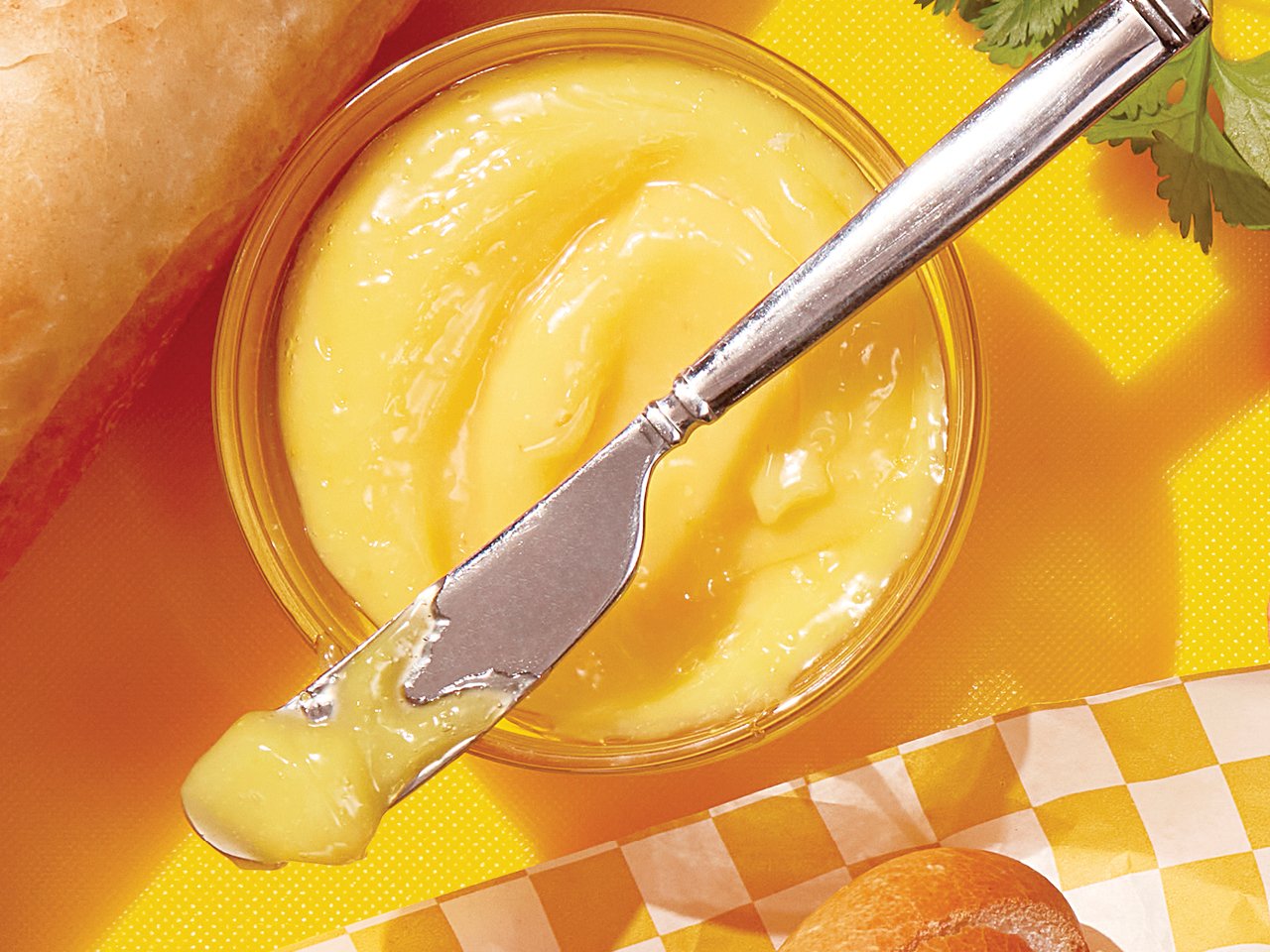
Bơ (Vietnamese-Style Mayonnaise). Produced by Sun Ngô; Photography by Christie Vu’o’ng; Recipe by Joseph Nguyên.
Try it: Bơ (Vietnamese-Style Mayonnaise)
Classic Caesar Salad
Infuse
Infusing is a process of extracting flavour from any aromatic ingredient (such as tea or herbs) by steeping them in a hot liquid (such as water, milk or oil) resulting in a flavourful infusion. These infusions can be used to create flavourful liquids to use as a finishing touch on a dish or to add to sauces and syrups.
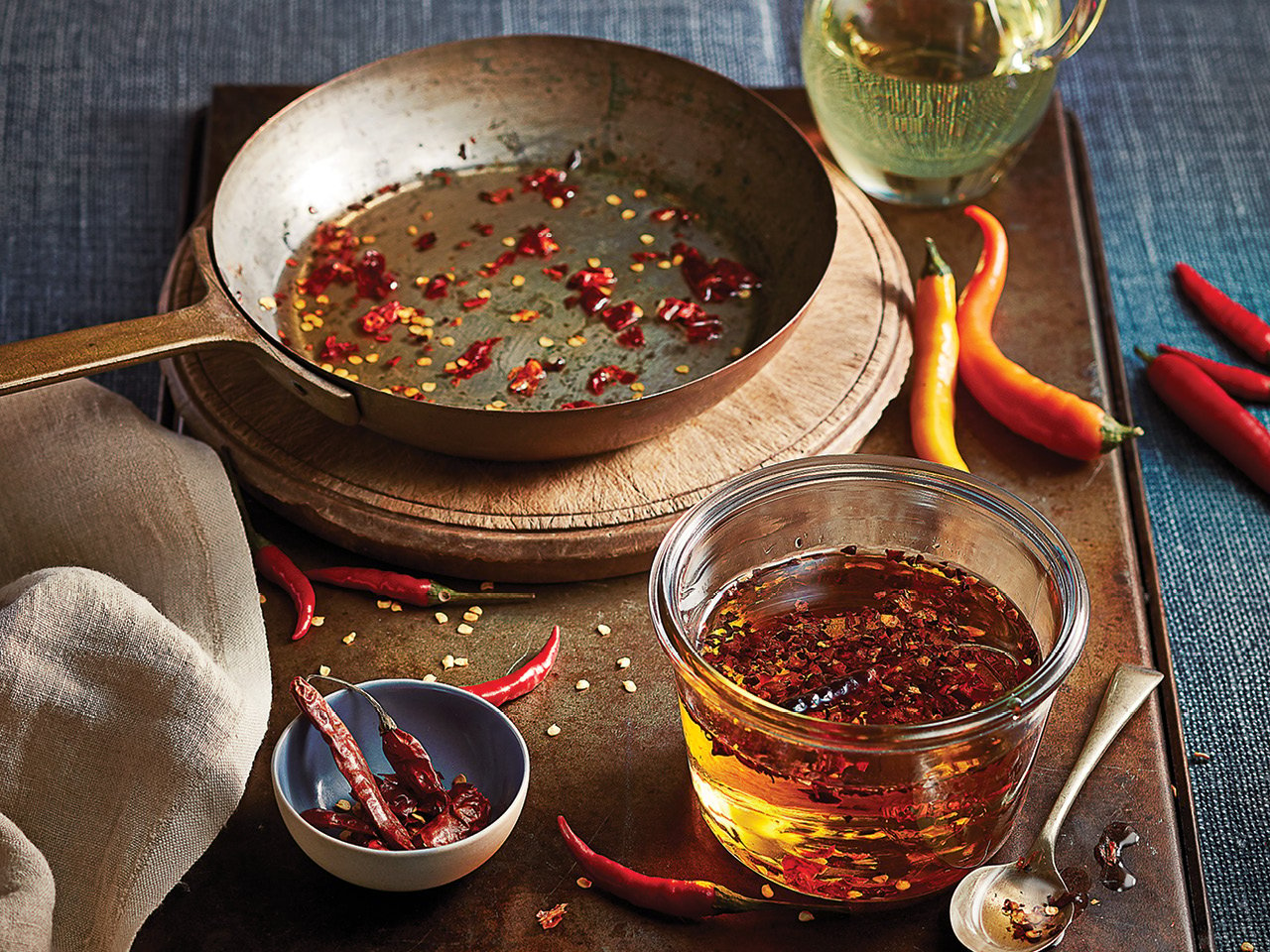
How To Make Homemade Chili Oil In 10 Minutes (Photo: Roberto Caruso)
Try it: How To Make Homemade Chili Oil In 10 Minutes
Earl Grey Cocktail
Macerate
Macerating involves soaking fruit (fresh or dried) in a flavoured liquid such as vinegar or liquor. It can also be used to describe sprinkling fruit with sugar, which draws out the liquid, creating a syrup. This allows the fruit to soak up the flavour and liquids, resulting in a softer, juicier fruit.
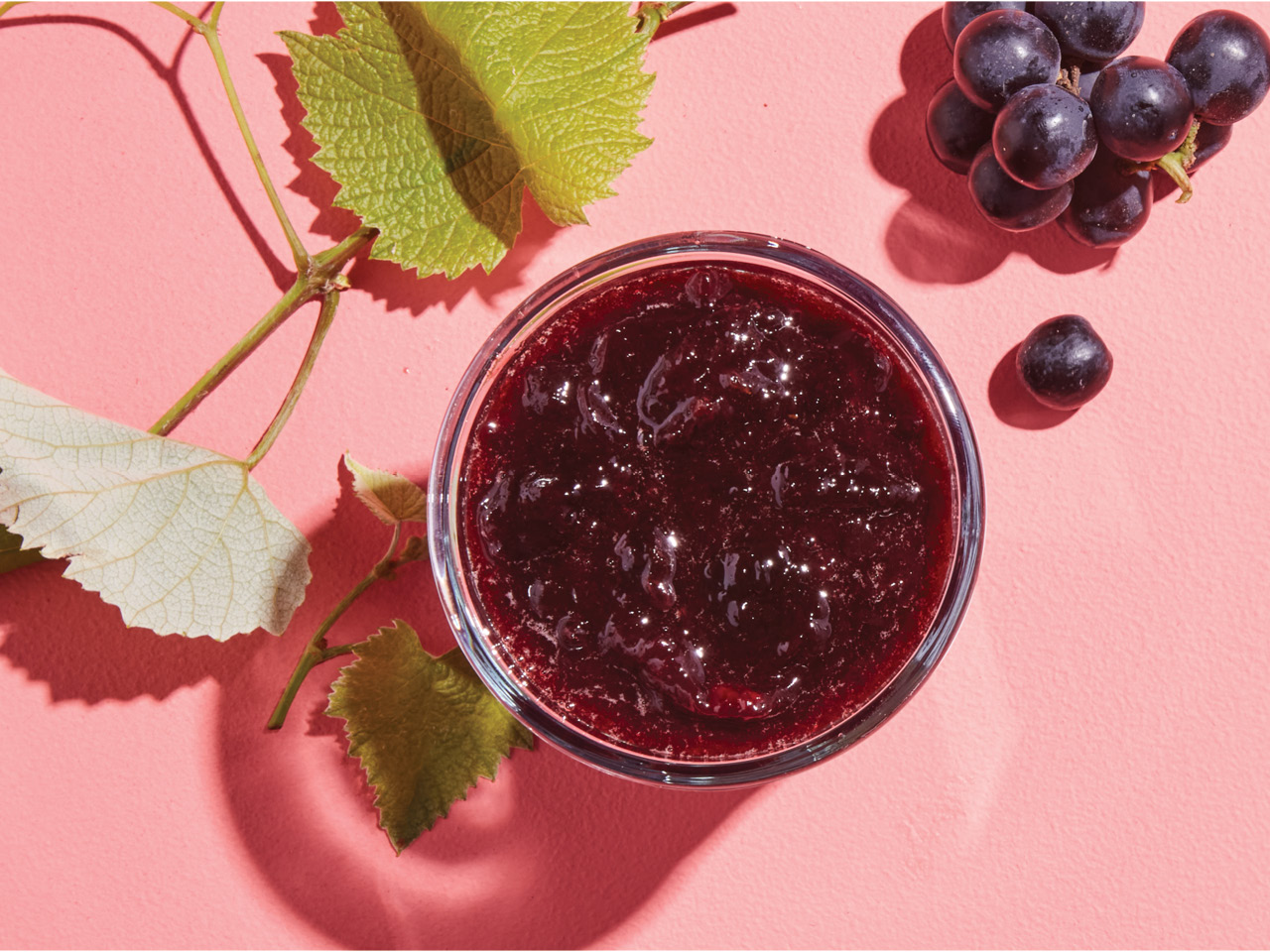
Italian Plum and Coronation Grape Jam (Photo: Carmen Cheung; Food styling by Lindsay Guscott; Prop styling by Rayna Marlee Schwartz)
Try it: Classic Rhubarb Custard Pie
Italian Plum and Coronation Grape Jam
Curdle
When liquid and solids separate, a mixture is curdling. In hot preparations using eggs as an emulsifier or dairy products (custards or hollandaise), the sauce will curdle when overheated. To avoid, heat the sauce gently and be careful not to overcook a sauce.
The post 10 Common Cooking Techniques & Terms Explained appeared first on Chatelaine.


